Rediscovering the Flavors of History
The ancient spice routes were the arteries of trade and cultural exchange, weaving through continents and bringing exotic flavors to the world’s kitchens. Fast forward to 2026, and these routes are getting a modern revival, inviting travelers to not just visit, but taste their way through history. Forget tourist traps and culinary clichés; this journey is about unearthing the flavors that once dictated global economies and fostered cultural connections.
The Spice Islands of Indonesia: A Peppery Beginning
Start your journey in the Maluku Islands, often dubbed the ‘Spice Islands’ of Indonesia. Rich in history, these islands were once the epicenter of the spice trade, producing nutmeg, cloves, and mace. Today, the islands offer a taste of the past with dishes that have been passed down through generations. Try the authentic Rendang Sapi, a spicy beef dish slow-cooked to perfection with cloves and nutmeg. Pair it with a visit to the Banda Islands, where you can wander through historical nutmeg plantations and even stay in a spice-themed eco-lodge that offers cooking classes using locally sourced ingredients.
India’s Forgotten Silk Road: A Fusion of Flavors
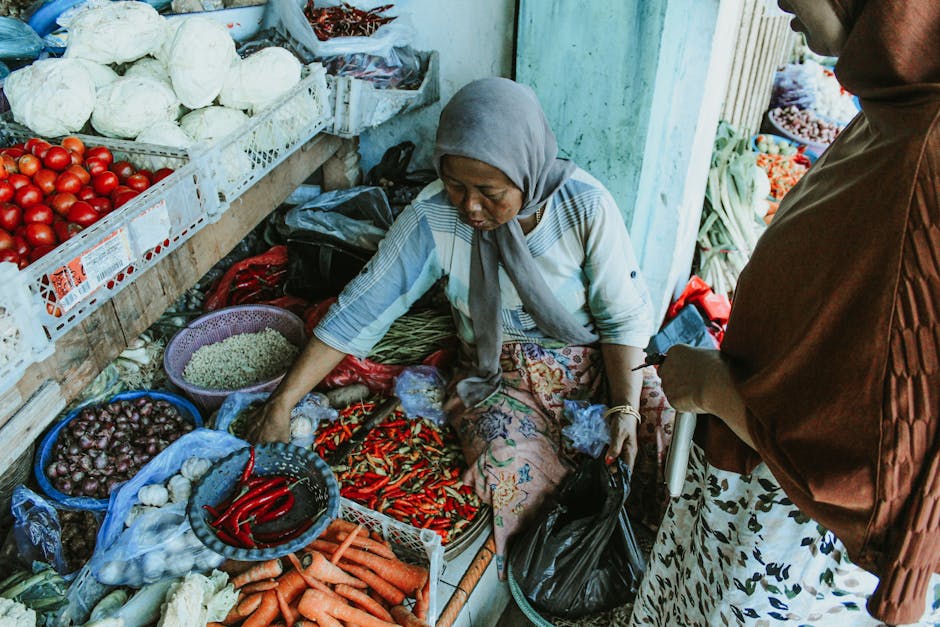
Next, fly to Kerala, India, where the spice routes intersected with the silk roads. This region is known for its biodiversity and rich cultural tapestry, reflected in its unique cuisine. Embark on a tour with local guides who will introduce you to the vibrant street markets of Kochi. Here, spices are not just ingredients but the stars of the show, with every stall offering a sensory overload of color and aroma. Taste Thalassery Biryani, a dish that combines Persian influences with local spices, offering a glimpse into the cultural exchanges that took place centuries ago.
Persian Gulf: Saffron and Beyond
The Persian Gulf isn’t just about glitzy skyscrapers and luxury yachts; it’s a melting pot of culinary traditions shaped by the spice trade. In 2026, the region is embracing its roots more than ever. Visit the bustling souks of Dubai, where the air is thick with the scent of saffron, cardamom, and rose water. Beyond the markets, enroll in a cooking class where you can learn to make Machbous, a traditional rice dish spiced with saffron and black lime, providing a fragrant journey back in time.
African Spice Safari in Zanzibar
Conclude your spice trail in Zanzibar, where the trade winds brought explorers and merchants alike. Known as the ‘Spice Island’ of Africa, it offers rich culinary experiences steeped in history. The famous Zanzibari Urojo soup is a must-try, a tangy and spicy dish reflecting the island’s Indian, Arab, and African influences. Explore the spice farms and engage with local farmers who cultivate cloves, cinnamon, and vanilla. They offer not just insight into farming techniques but also share old family recipes that have stood the test of time.
Your Takeaway: A Culinary Timeline
In 2026, following the spice routes is more than just a trip; it’s a journey through time, culture, and the very essence of global cuisine. It’s a chance to taste the world as it once was and see how these ancient flavors continue to stir our palates today. Whether you’re a culinary enthusiast or a history buff, the forgotten spice routes offer both a feast for the senses and a story for the ages.