The Allure of Waterborne Living
In the heart of Southeast Asia, water isn’t just a resource; it’s a way of life. As we delve into 2026, these floating and stilted communities offer a unique glimpse into a lifestyle deeply connected to the rhythms of water. From the serene waters of Vietnam to the bustling canals of Thailand, these villages are as diverse as they are enchanting.
Vietnam’s Ha Long Bay: More Than a Scenic Wonder
Known for its emerald waters and towering limestone islands, Ha Long Bay captivates not only with its natural beauty but also with its vibrant floating villages. Cua Van, one of the largest in the area, is home to several hundred inhabitants. Here, life revolves around fishing, with homes and schools gently swaying with the tide. As you kayak through the calm waters, you’ll witness daily life unfold: children rowing to school, floating markets bustling with activity, and the faint hum of traditional Vietnamese songs carried by the breeze.
Tonle Sap Lake, Cambodia: A Dynamic Ecosystem
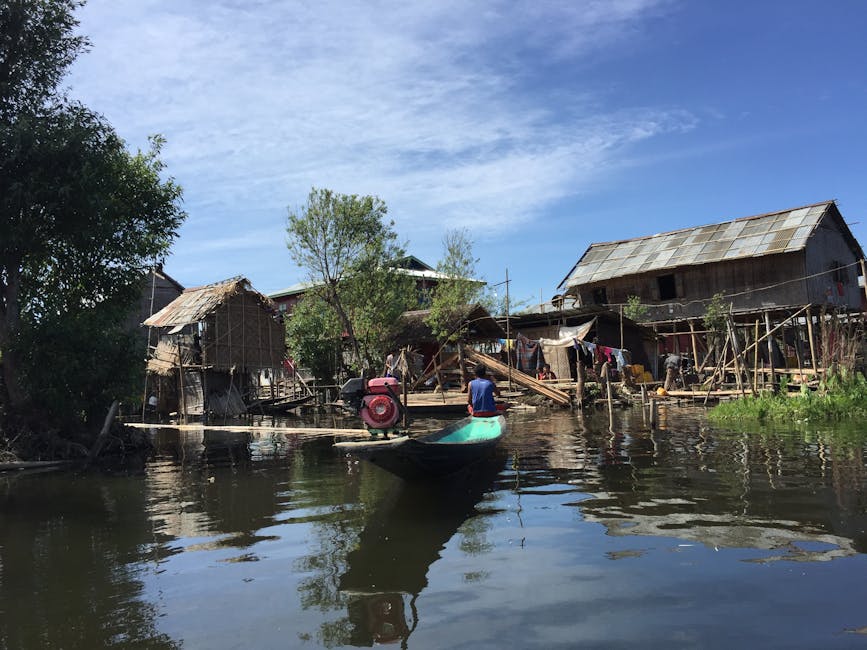
Tonle Sap, Southeast Asia’s largest freshwater lake, is a living testament to adaptability. The lake’s size fluctuates dramatically between the wet and dry seasons, challenging and shaping the lives of those who call it home. The floating village of Kampong Phluk exemplifies this resilience. Houses are perched high on stilts, designed to withstand the rising waters. Here, canoe tours offer an intimate look into a thriving community where life is both simple and sophisticated, as locals skillfully navigate the challenges posed by the lake’s ever-changing landscape.
Thailand’s Enigmatic Koh Panyi

Off the coast of Phang Nga Bay lies Koh Panyi, a traditional Muslim fishing village built on stilts by Indonesian fishermen in the late 18th century. With approximately 1,600 residents, this floating village is a testament to ingenuity and community spirit. The village’s most intriguing feature is its floating football pitch, a rectangle of wood planks and nails that hosts spirited matches. Wander through its narrow walkways, taste the freshly caught seafood, and experience the unique blend of culture and camaraderie.
Adaptation and Preservation in Indonesia’s Bajau Villages
Known as ‘Sea Nomads’, the Bajau people of Indonesia have lived on water for generations. Their homes, supported by coral reefs, are an intricate network of stilted structures. The Bajau community is adept at free-diving, a skill honed over centuries, allowing them to harvest the sea’s bounty. Visiting these villages offers a rare opportunity to witness traditional maritime skills and learn about efforts to preserve their unique way of life against the pressures of modernity and environmental changes.
Practical Tips for Visiting Floating Villages
- Timing is key: Visit during the dry season for calm waters and easier navigation, but be prepared for crowds. The wet season offers a quieter experience, though conditions can be more challenging.
- Respect local customs: These communities have rich traditions. Dress modestly, seek permission before photographing residents, and engage with locals to enrich your experience.
- Support sustainable tourism: Choose operators who prioritize community benefits and environmental conservation. Your choices have a direct impact on these delicate ecosystems and the people who depend on them.
- Be prepared for basic amenities: Many villages lack modern conveniences. Bring essentials and be ready for an experience that’s both rustic and rewarding.
Experiencing the waterborne communities of Southeast Asia offers more than a scenic escape; it’s a journey into a world where life ebbs and flows with the tides. As you explore these vibrant villages in 2026, you’ll gain a deeper understanding of how deeply human life is intertwined with nature, and the beautiful ways in which cultures adapt to challenges beyond the control of time and tide.