The Allure of Earth’s Hidden Depths
2026 has brought a renewed fascination with the hidden wonders of our planet, and few places are as mysterious and captivating as the world’s deepest caves. These subterranean marvels hold secrets of geology, history, and even biology that continue to intrigue scientists and adventurers alike. This year, join us as we delve into some of the most fascinating cave systems that beckon explorers with their enigmatic charm.
Krubera Cave, Georgia: The Everest of Caves
Situated in the Arabika Massif, the Krubera Cave is a natural wonder that plunges over 2,200 meters deep, earning it the title of the deepest cave in the world. As you venture into its depths, you’ll encounter a labyrinth of tunnels and chambers that challenge even the most seasoned spelunkers. The journey to its depths isn’t for the faint of heart; it requires technical skill and a sense of adventure. As you navigate the winding passages, you’ll encounter unique rock formations and underground rivers that paint a picture of Earth’s geological past. For thrill-seekers, Krubera Cave represents the ultimate test of courage and curiosity.
Voronya Cave, Georgia: A Journey to the Earth’s Core
Not far from Krubera lies Voronya Cave, also known as Veryovkina Cave, which was recently measured at an astonishing 2,212 meters in depth. The cave’s entrance is deceptively unassuming, but it quickly gives way to an expansive network of passages that have been sculpted by water over millennia. Descending into Voronya is a journey through time, where explorers can witness the stunning beauty of stalactites and stalagmites that have taken centuries to form. This cave is not just a physical challenge; it is a sensory experience that leaves a lasting impression on those who enter its depths.
Clearwater Cave System, Malaysia: A Cavern of Beauty and Biodiversity

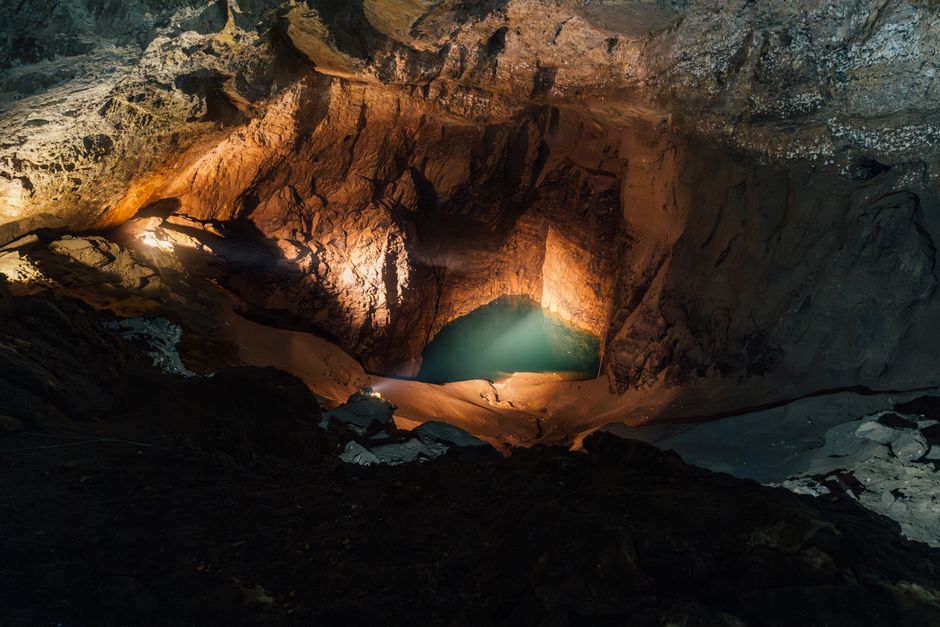
While Krubera and Voronya are known for their depth, the Clearwater Cave System in Malaysia stands out for its sheer size and ecological significance. Located in Mulu National Park, this cave system features over 220 kilometers of mapped passages, making it one of the longest caves in the world. Its vast chambers and subterranean rivers are home to a diverse array of wildlife, including unique cave-dwelling fish and bats. Visitors can explore parts of the cave by boat, gliding silently through the water as they admire the intricate limestone formations illuminated by beams of natural light filtering through sinkholes above.
Gouffre Mirolda, France: Europe’s Depths Revealed
Tucked away in the French Alps, Gouffre Mirolda is one of Europe’s deepest caves, with a depth of over 1,700 meters. Exploring this cave offers a unique blend of adventure and serenity, as you traverse its quiet halls and echoing chambers. The cave is a testament to the power of water and time, with massive formations that tower overhead like ancient sentinels. For those seeking a European adventure off the beaten path, Gouffre Mirolda promises a remarkable journey into the heart of the Earth.
The Practical Side of Caving in 2026
For those inspired to embark on their own caving adventure, it’s crucial to be prepared. Caving requires specialized equipment such as helmets, headlamps, and climbing gear. Additionally, it’s essential to respect the fragile ecosystems within these caves. Always travel with an experienced guide to ensure safety and adherence to conservation efforts. Many caving expeditions offer training sessions for newcomers, ensuring that you can appreciate these wonders responsibly.
Takeaway: The Call of the Depths
In 2026, the allure of exploring the world’s deepest caves continues to captivate adventurers and nature enthusiasts. These natural wonders challenge our perceptions of beauty and endurance, offering a glimpse into the Earth’s ancient past and the mysteries it still holds. Whether you’re a seasoned explorer or a curious traveler, these caves invite you to step beyond the surface and discover the hidden depths of our world.