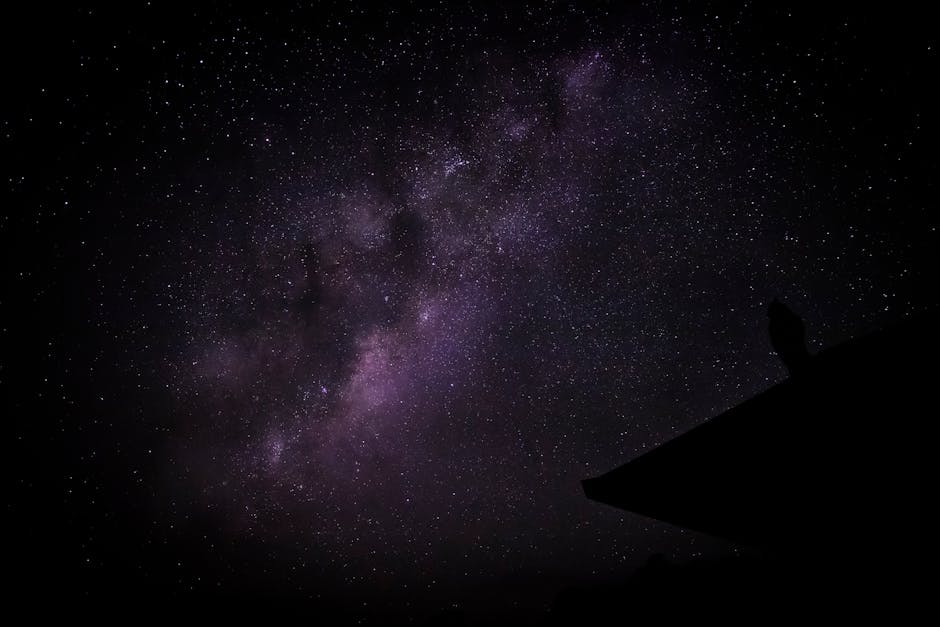
The Rise of Astrotourism: Why Now?

As the world becomes increasingly urbanized, escaping the harsh glow of city lights to experience the vastness of the night sky is more appealing than ever. Astrotourism, the practice of traveling to observe celestial phenomena, is booming in 2026. The allure of pristine skies and celestial wonders is a magnet for travelers seeking both adventure and serenity.
Top Stargazing Destinations for 2026
- Atacama Desert, Chile
Home to some of the clearest skies on Earth, the Atacama Desert offers unparalleled views of the Milky Way. Visitors can explore the ALMA Observatory, which boasts dramatic landscapes and state-of-the-art telescopes that allow you to glimpse galaxies far, far away.
- Dark Sky Reserve, New Zealand
The Aoraki Mackenzie International Dark Sky Reserve is a must-visit for stargazers. With its minimal light pollution and breathtaking Southern Hemisphere star patterns, you’ll feel like you’re looking through a portal to another universe.
- Jasper National Park, Canada
Jasper’s Dark Sky Festival attracts thousands each October. The park’s vast wilderness and clear skies make it a perfect spot for catching the Northern Lights and learning from leading astronomers.
How to Prepare for Your Astrotourism Adventure
Embarking on an astrotourism trip requires a bit of preparation. First, ensure you’re traveling during the right season for clear skies and celestial events. Apps like “Star Walk” or “SkySafari” can help you track upcoming meteor showers or lunar eclipses. Investing in a good pair of binoculars or a travel-friendly telescope can also enhance your experience.
Where Technology Meets The Stars: Modern Astrotourism Experiences
In 2026, astrotourism is more than just looking up at the stars. Destinations now offer interactive experiences using augmented reality (AR) and virtual reality (VR). Imagine standing under the night sky, using your smartphone to project constellations and planets in real-time. Some resorts even offer starlit dinners with holographic storytelling, merging gastronomy with galaxy gazing.
Responsible Astrotourism: Tips for Eco-Friendly Stargazing

While chasing starlight, travelers should also consider their ecological footprint. Choose eco-friendly accommodations, like those that use solar power. Support local communities by hiring local guides and buying from regional artisans. Remember to leave no trace, ensuring that these pristine environments remain unspoiled for future generations.
The Takeaway: Planning Your Celestial Journey
Whether you’re a seasoned astronomer or a curious traveler, astrotourism offers a unique way to connect with the cosmos. By choosing destinations that prioritize sustainability and innovation, you’ll not only witness the majesty of the universe but also contribute positively to the places you visit. So grab your star map and start planning your celestial retreat for 2026!