An Out-of-this-World Experience
Imagine a journey where you can gaze at the stars from a secluded island and dive into the deep blue to meet vibrant marine life. In 2026, travel enthusiasts are flocking to destinations that offer both astronomical wonders and underwater adventures. This unique combination promises an unforgettable experience that connects us to the cosmos and the ocean depths simultaneously.
The Celestial Islands of Hawaii
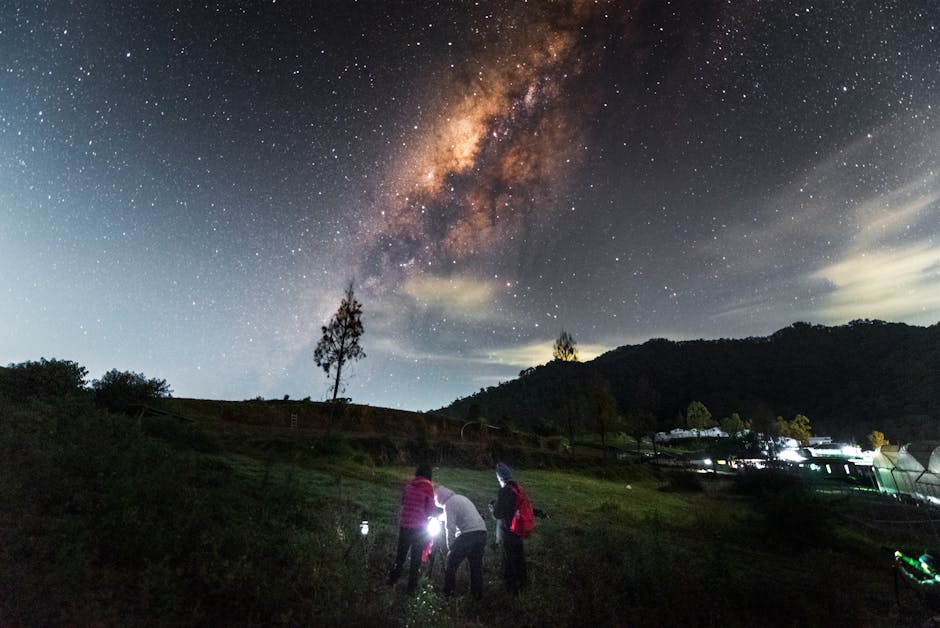
Hawaii is not just a paradise for beach lovers; it’s a haven for stargazers. The Mauna Kea Observatories on the Big Island are some of the best in the world, thanks to Hawaii’s remote location and clear skies. Visitors can take guided tours to the summit and witness the Milky Way in all its glory. Additionally, the annual ‘Stars Over Hawaii’ festival in July offers workshops and talks from leading astronomers.
While you’re there, don’t miss the chance to dive into the crystal waters off Kona. The night-time manta ray dives are legendary, allowing you to swim with these gentle giants illuminated by underwater lights against a starry sky.
Norway’s Northern Lights and Fjords
The Lofoten Islands in Norway offer a dual spectacle: the ethereal Northern Lights and stunning marine biodiversity. Winter months are ideal for catching the Aurora Borealis, painting the sky in shades of green and purple. Local guides offer aurora hunting tours, ensuring you find the best viewing spots.
During daylight, embark on a sea safari to spot orcas and humpback whales. The islands’ rich marine eco-system is perfect for diving, especially in the warmer months. The rare combination of cold-water corals and shipwrecks makes for an exhilarating underwater exploration.
The Remote Charms of New Zealand
Head to New Zealand’s South Island for an otherworldly experience. The Aoraki Mackenzie International Dark Sky Reserve is a stargazer’s paradise, offering unparalleled views of the southern skies. The reserve hosts ‘Dark Sky Week’ in November, where travelers can enjoy telescope viewings and night-sky photography workshops.
After a night of stargazing, the coastal town of Kaikoura beckons with its rich marine life. Known for its sperm whale population, Kaikoura also offers snorkeling tours with playful dolphins and fur seals, ensuring a marine adventure that matches the celestial spectacle above.
Australia’s Heaven and Ocean Wonders

Australia’s Ningaloo Coast is a UNESCO World Heritage site where you can snorkel with whale sharks by day and stargaze by night. The rugged outback landscape of the Exmouth Gulf provides a pristine setting for observing the night sky, free from light pollution. Local astronomy clubs offer night tours complete with stories of Aboriginal astronomy.
Underwater, the Ningaloo Reef’s coral gardens are teeming with life. From colorful clownfish to the majestic manta rays, the biodiversity here is astonishing. Dive tours are available year-round, catering to both novice and experienced divers.
Practical Tips for Your Journey
- Timing: Plan your trip around new moon phases for the best stargazing conditions. For marine encounters, research the seasonal movements of wildlife.
- Gear: A good pair of binoculars and a star map or app will enhance your stargazing experience. For diving, consider renting a high-quality underwater camera to capture your adventure.
- Local Guides: Hiring knowledgeable local guides can enrich your experience, offering insights that you might otherwise miss.
- Conservation: Participate in eco-friendly tours and support conservation efforts in these areas to help preserve their natural beauty.
Exploring both the vastness of the universe and the depths of the ocean provides a perspective on our place in the world. It’s a humbling journey, but one filled with awe and wonder.