Rediscovering the Silk Road: A Timeless Adventure

The Silk Road, once a bustling artery of trade, culture, and innovation, has been revitalized. This ancient network stretching from China to Europe is experiencing a renaissance in 2026, drawing modern travelers eager to trace the footsteps of merchants, explorers, and conquerors. Today, this legendary route offers a kaleidoscope of experiences, from vibrant bazaars and ancient ruins to breathtaking landscapes and rich cultural tapestries.
The Essential Stops Along the Silk Road in 2026
- Xi’an, China: The Journey Begins
- Kashgar, Xinjiang: A Cultural Melting Pot
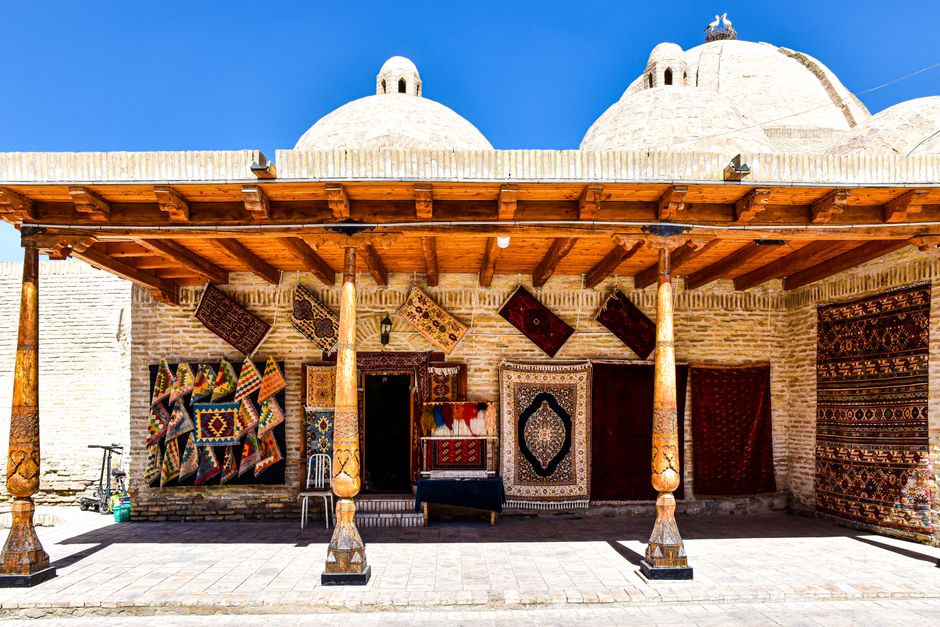
- Bukhara, Uzbekistan: The Jewel of the Desert
- Samarkand, Uzbekistan: Crossroads of Cultures
- Tehran, Iran: Where Ancient Meets Modern
Known as the starting point of the Silk Road, Xi’an is a city that effortlessly merges the ancient with the modern. A visit to the Terracotta Army is a must, providing a glimpse into China’s imperial past. Don’t miss the bustling Muslim Quarter, where you can savor local delicacies like Yangrou Paomo, a flavorful lamb soup.
As you journey west, Kashgar offers a fusion of cultures and histories. The Sunday Bazaar, one of the largest in Central Asia, is a sensory feast with its vibrant textiles, spices, and handicrafts. The ancient city walls and the Id Kah Mosque add layers to the city’s rich history.
Bukhara, with its UNESCO World Heritage status, is a city steeped in history and architectural marvels. Kalyan Minaret and the Ark Fortress stand as testaments to the city’s past glory. Wander the labyrinthine streets of the old town, where each turn reveals a new story from a bygone era.
Samarkand is an epitome of the Silk Road’s cultural exchange. The Registan Square, with its stunning madrasahs, offers an awe-inspiring experience of Islamic architecture. Visit the Shah-i-Zinda necropolis, a mesmerizing complex of mausoleums that narrate the city’s storied past.
Tehran, a vibrant city that bridges ancient Persian traditions with modernity, is often overlooked but worthy of exploration. Discover the National Museum of Iran to appreciate the rich tapestry of Persian history before indulging in the culinary delights of its bustling bazaars.
Embracing the Journey: Tips for Traveling the Silk Road
Traveling the Silk Road requires more than just a spirit of adventure—it demands planning and adaptability. Here are a few tips to make your journey unforgettable:
- Travel Light and Smart: Given the diverse terrains and climates along the route, packing versatile clothing is essential. A lightweight travel backpack that allows for easy mobility will be your best ally.
- Learn Basic Phrases: While English is widely understood in tourist areas, learning a few basic phrases in Mandarin, Persian, and Russian can enhance your interactions and enrich your cultural experience.
- Embrace the Local Cuisine: Each stop along the Silk Road boasts unique culinary experiences. Be adventurous and try local dishes like Lagman (hand-pulled noodles) in Kyrgyzstan and Plov (pilaf) in Uzbekistan.
- Respect Local Customs: Understanding and respecting local traditions and dress codes can go a long way in ensuring a smooth and respectful interaction with the people you meet.
A Journey Through Time
The Silk Road isn’t just a travel route; it’s a journey through time and culture. As you traverse this historic path, you’ll gain insights into the civilizations that have shaped our world. Each city, each conversation, and each meal offers a new perspective, connecting the past with the present in the most tangible way.
Practical Takeaway: Packing for the Silk Road
Embarking on a Silk Road adventure in 2026 requires careful planning, particularly when it comes to packing. Essentials include a versatile wardrobe suitable for varying climates, a reliable travel guidebook for historical insights, and digital maps for navigation. Don’t forget a journal or digital notepad to document your reflections and encounters along this historic and life-changing journey.