

Are you tired of crowded tourist spots? UNESCO World Heritage Sites offer hidden gems. These sites protect nature and culture worldwide.
Key Takeaways
- UNESCO World Heritage Sites protect nature and culture around the world.
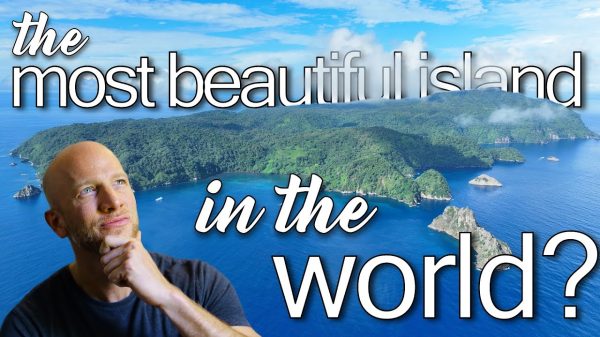
- Cocos Island in Costa Rica has a rare island rainforest and great diving spots.
- Studenica Monastery in Serbia, built in the late 1100s, has beautiful old paintings inside.
- St Kilda in Scotland is home to many birds like puffins and gannets.
- Lumbini in Nepal is where Buddha was born and became a World Heritage Site in 1997.
Cocos Island, Costa Rica
Cocos Island sits far out in the Pacific Ocean. It’s 550 km from Costa Rica’s coast. This small spot is special. It has a rainforest, which is rare for islands in this area. The waters around it are full of life.
Divers love to visit and see sharks, rays, and dolphins.
The island is great for nature fans. It’s the only place in the east Pacific with a tropical rainforest. The sea life is amazing too. People come from all over to dive here. They hope to see big fish and cool sea creatures. It’s a top spot for those who love the ocean and wild places.
Studenica Monastery, Serbia
Studenica Monastery stands tall in Serbia. King Stefan Nemanja built it in the late 1100s. It’s the biggest Orthodox monastery in the country. The site has two marble churches. One is the Church of the King.
The other is the Church of the Virgin. Inside, you’ll find amazing old paintings on the walls. These frescoes are a big reason UNESCO picked it as a special place. Long ago, there were 14 churches here.
Now, only three remain. But they still show off the beauty of medieval art.
The monastery sits in a peaceful valley. It’s a mix of two styles: Romanesque and Byzantine. The white marble walls shine in the sun. Monks still live and pray here today. Visitors can see the tomb of Saint Simeon, who started the royal Nemanjić dynasty.
The monastery’s art tells stories from the Bible and Serbian history. It’s a quiet place that takes you back in time.
St Kilda, Scotland
St Kilda is a wild and remote place in Scotland. It sits alone in the Atlantic Ocean, far from other islands. People lived there for thousands of years, but left in the 1930s. Now, only birds and sheep call it home.
St Kilda is special for its birds. Huge flocks of puffins and gannets nest on its cliffs. To see them, you must take a boat from other Scottish islands. Once there, you can hike up Conachair, the highest point.
It’s a tough two-hour climb, but the views are worth it. You’ll also find old stone houses that show how people used to live. Nature lovers and history buffs both love this unique spot.
Mazagan, Morocco
Mazagan sits on Morocco’s coast, 90 km from Casablanca. This old city blends Portuguese and Moroccan styles. The Portuguese built it in the 1500s. They made a fort here in 1541. For 100 years after 1769, no one lived in Mazagan.
The city’s walls still stand today. They show how two cultures mixed long ago. Visitors can walk on top of these walls. From there, they see the blue Atlantic Ocean. Inside the walls, narrow streets wind through the old town.
Small shops and homes line these paths. It’s like stepping back in time.
Lumbini, Nepal
Lumbini, Nepal is a special place. It’s where Buddha was born. In 1997, UNESCO named it a World Heritage Site. Now, Lumbini has new temples and pretty gardens. People are working hard to make it even better.
The UNESCO office in Kathmandu made a website about Lumbini’s past, present, and future.
Lumbini is growing fast. In April 2016, a big meeting happened there. People from many countries came to talk about Lumbini’s future. They want to keep it safe and make it nice for visitors.
Lumbini has old ruins and new buildings. It’s a mix of history and today. Many people come to see where Buddha was born and learn about his life.
Tubbataha Reef, Philippines
Tubbataha Reef sits in the Sulu Sea, far from the busy world. It’s a top spot for divers who love to see lots of sea life. The reef has clear waters and healthy corals that many fish call home.
You can only visit from March to June on special boat trips. This keeps the reef safe and clean.
The reef is so special that UNESCO named it a World Heritage Site. It’s known for its beauty and how important it is for nature. Divers come here to see colorful fish, big sharks, and even sea turtles.
The reef helps keep the ocean healthy and full of life. It’s a place where nature still rules, away from busy cities and towns.
Bukhara, Uzbekistan
Bukhara is a gem on the old Silk Road. This city in Uzbekistan has stood for over 2,000 years. It keeps its old look from long ago. You can see beautiful buildings from the Middle Ages here.
The city was a big deal in the 8th century. It was full of trade and culture when Muslims ruled the area.
UNESCO named Bukhara a World Heritage site in 1993. They changed the borders in 2016. One cool spot is the tomb of Ismail Samani. It’s been there since the 900s. Walking through Bukhara is like stepping back in time.
The streets and buildings tell stories from long ago. It’s a place where history comes alive.
Volcanoes of Kamchatka, Russia
Volcanoes of Kamchatka in Russia are a sight to behold. This UNESCO World Heritage Site boasts over 300 volcanoes, with 29 still active. The area teems with wildlife, including sea eagles and peregrine falcons.
These birds soar above steaming craters and lush valleys.
IUCN first checked out Kamchatka in 1996. They’ve kept an eye on it since then. The site sends yearly reports on how it’s doing. In 2007 and 2019, UNESCO and IUCN teams visited to make sure all was well.
This wild place stays safe thanks to these efforts. Visitors can see nature at its most raw and powerful here.
Vredefort Dome, South Africa
Vredefort Dome is a hidden gem in South Africa. It sits 120 km southwest of Johannesburg. This place is special because it’s the oldest and biggest known astrobleme on Earth. An astrobleme is a scar left by a space rock hitting our planet.
The Vredefort Dome formed over 2 billion years ago when a huge meteorite crashed into Earth. The impact was so strong it made a crater 190 km wide!
This site is a wonder for science lovers and curious travelers alike. The dome’s size and age make it stand out from other impact sites. It offers a rare look into Earth’s distant past.
Visitors can see how such a massive hit shaped the land we see today. The Vredefort Dome proves that our planet has many surprises left to show us.