Introduction to Natural Soundscapes
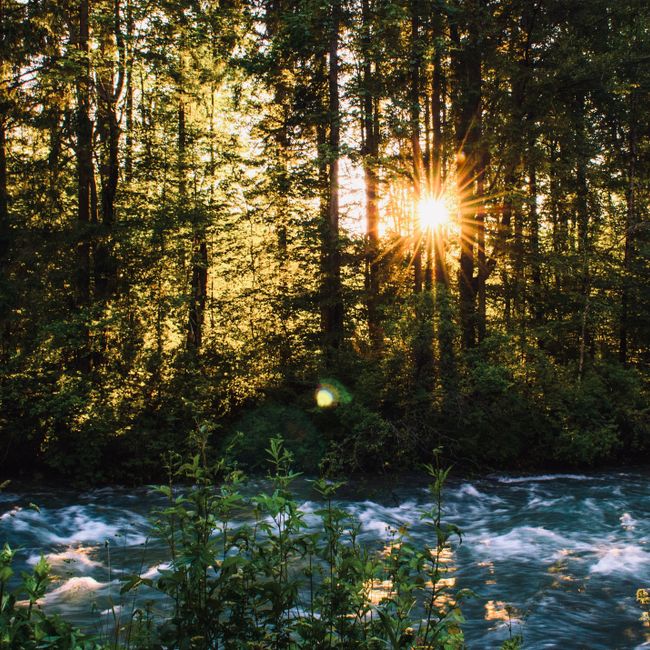
Imagine walking through a forest where every rustle, chirp, and croak paints a vivid picture of life around you. In 2026, travelers are increasingly turning their ears to the natural world, seeking the unspoiled symphonies of our planet’s most fascinating soundscapes. From the harmonious calls of the Amazon rainforest to the haunting echoes of the Australian Outback, these acoustic environments offer a deeper connection to nature’s raw beauty.
The Science Behind Natural Soundscapes
Scientists define ‘soundscape’ as the combination of all the sounds within a particular environment. Unlike music or urban noise, natural soundscapes are dynamic, reflecting changes in weather, time of day, and even season. In 2026, sound tourism is gaining momentum, fueled by advancements in portable technology that allow travelers to capture high-quality audio experiences. Understanding the science behind these sounds enriches our appreciation of them.
- Biophony: Sounds created by living organisms, such as birds, insects, and mammals.
- Geophony: Natural non-biological sounds like wind, rain, and thunder.
- Anthrophony: Sounds produced by humans, which are often minimized in true natural soundscapes.
The Top Destinations for Sound Travelers in 2026
For those looking to embark on a sonic journey, several destinations stand out in 2026 for their pristine and diverse acoustic environments.
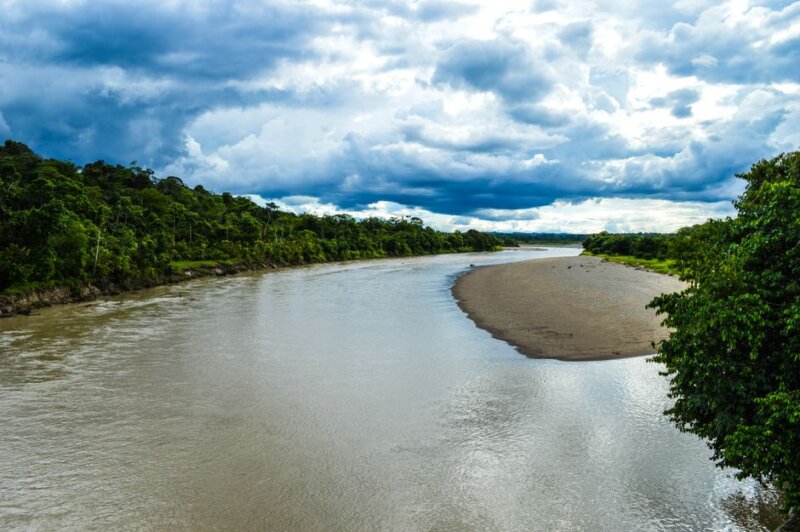
- Amazon Rainforest, Brazil: Known for its rich biodiversity, the Amazon offers a continuous symphony of animal calls and rustling leaves. Guided sound tours provide opportunities to listen for the elusive sounds of jaguars or the chorus of nocturnal creatures.
- Yellowstone National Park, USA: Beyond the geothermal wonders, Yellowstone is a haven for natural sound enthusiasts. The gentle bubbling of hot springs, the distant howls of wolves, and the rhythmic drumming of woodpeckers create a unique auditory tapestry.
- Kakadu National Park, Australia: The vast wetlands of Kakadu resonate with the calls of waterbirds and the gentle splash of crocodiles. It’s a place where the sounds of the land and water merge into an unforgettable soundscape.
- Fiordland National Park, New Zealand: Known for its majestic fjords and towering peaks, Fiordland also boasts a rich acoustic environment. The distant roar of waterfalls and the calls of native birds like the kea and tui fill the air.
How to Experience and Record Natural Soundscapes

While exploring these soundscapes, consider bringing along some basic equipment to capture the experience for later enjoyment. In 2026, compact field recorders and binaural microphones are widely available and make for excellent travel companions.
- Choose the Right Equipment: A lightweight recorder with high sensitivity is ideal for capturing subtle sounds. Binaural microphones can recreate a 3D audio effect, enhancing the listening experience.
- Find the Right Spot: To capture the essence of a soundscape, seek out quiet areas away from human activity. Early mornings or late evenings often provide the most vibrant sound environments.
- Be Patient: Allow yourself time to acclimate to the natural environment. Sounds often reveal themselves slowly, and the best moments can be unexpected.
The Ethical Side of Sound Travel
As with all forms of travel, sound tourism comes with responsibilities. In 2026, ethical sound travelers are mindful of their impact on the environment and local communities. This includes following guidelines to minimize disturbance and supporting conservation efforts that protect these natural soundscapes.
- Respect Wildlife: Avoid approaching animals too closely and use equipment that minimizes intrusion.
- Support Local Efforts: Engage with local guides and organizations that prioritize conservation.
- Leave No Trace: Carry out what you carry in and strive to leave the natural environment as you found it.
Conclusion: Embrace the Sounds of the Planet
In a world increasingly dominated by artificial noise, the allure of natural soundscapes offers a refreshing escape. Whether you’re an avid birdwatcher or simply seeking serenity, these acoustic wonders provide a unique way to experience the world in 2026. So grab your headphones, tune into the whispers of the wild, and let yourself be enveloped by the Earth’s natural chorus.
Practical takeaway: Always carry a good pair of headphones and a portable recorder to immerse yourself in the serene symphonies of the world’s top natural soundscapes.