Introduction to Urban Green Spaces in 2026
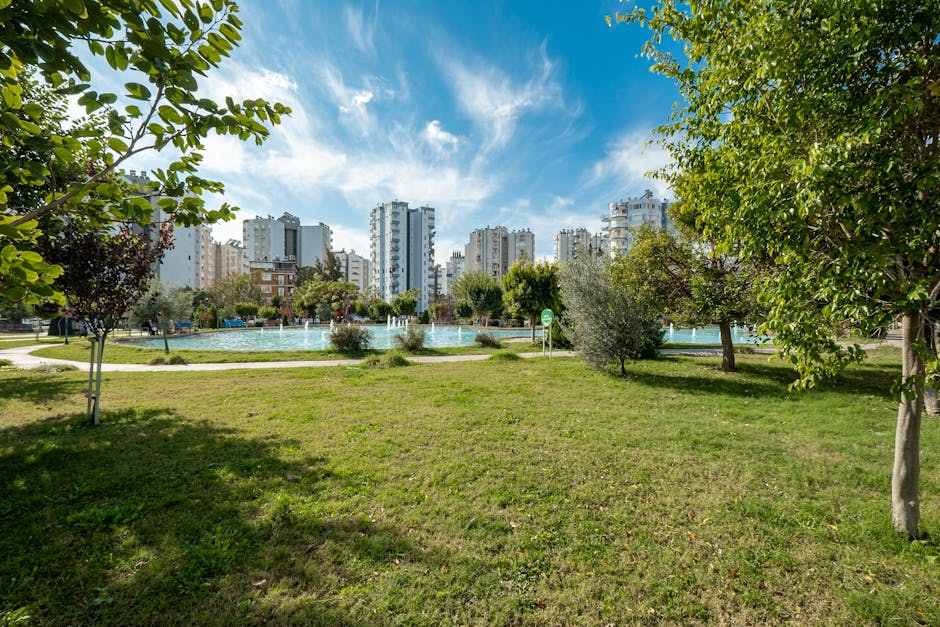
In 2026, cities around the globe have become more than just concrete jungles. As urban populations continue to swell, the necessity for green spaces within these bustling metropolises has never been more apparent. From rooftop gardens to sprawling urban parks, cities are creatively integrating nature into their landscapes, serving as peaceful sanctuaries amid the urban hustle. This transformation not only enhances the quality of life for city dwellers but also plays a critical role in environmental sustainability. Let’s take a journey through some of the most innovative urban green spaces in the world today.
Central Park 2.0: New York’s Vertical Gardens
New York City has long been home to the iconic Central Park, but in 2026, the city has expanded its green offerings with the addition of vertical gardens. These towering structures, adorned with lush plant life, bring greenery to the urban landscape in a novel way. The High Line, once an elevated rail track, has been transformed into a linear park elevated above the streets of Manhattan, inspiring the addition of vertical green spaces across the boroughs.
- Accessibility: Designed with accessibility in mind, these gardens provide easy access for all, including wheelchair users.
- Community Engagement: Workshops and volunteer opportunities abound in these spaces, fostering a sense of community and environmental stewardship.
The Green Corridor of Singapore
Known as the ‘City in a Garden’, Singapore has consistently been at the forefront of integrating nature into urban environments. The Green Corridor, a 24-kilometer stretch that connects various parks and nature reserves, is a testament to this commitment. Cyclists, joggers, and wildlife enthusiasts alike flock to this continuous green link that meanders through the city.
- Sustainability: The corridor is not just about leisure; it also incorporates rainwater harvesting systems and native plant species to promote biodiversity.
- Innovative Design: Cutting-edge technology is employed to monitor environmental conditions, ensuring the corridor’s sustainability for future generations.
The Rooftop Farms of Tokyo

In densely populated Tokyo, space is a luxury. Yet, innovation knows no bounds in this city. Rooftop farms have become a cornerstone of urban green spaces in Tokyo, transforming the city’s skyline with cascading greens and providing fresh produce to local communities.
- Community Impact: These farms offer educational programs for children and adults, teaching sustainable farming practices and healthy eating habits.
- Zero-Waste Initiatives: Many rooftop farms implement composting systems to reduce waste and support soil health.
London’s Urban Forests
London is planting urban forests as part of its ambitious initiative to increase green space coverage by 50% by 2030. These forests, strategically located throughout the city, serve as carbon sinks, combating urban heat, and enhancing air quality.
- Recreational Spaces: Walking trails and picnic areas within these urban forests offer residents a place to unwind and connect with nature.
- Flora and Fauna: Native species are prioritized, fostering habitats for local wildlife and boosting biodiversity.
Practical Takeaway: Embracing Green Spaces
The integration of green spaces in urban areas is a vital trend that shows no signs of slowing down. Whether you’re a resident or a visitor, make it a point to explore these urban oases. They not only offer a respite from the city’s pace but also highlight the innovative ways in which cities are evolving to meet the needs of both people and the planet. So, when planning your next city escape, add these green spaces to your itinerary.