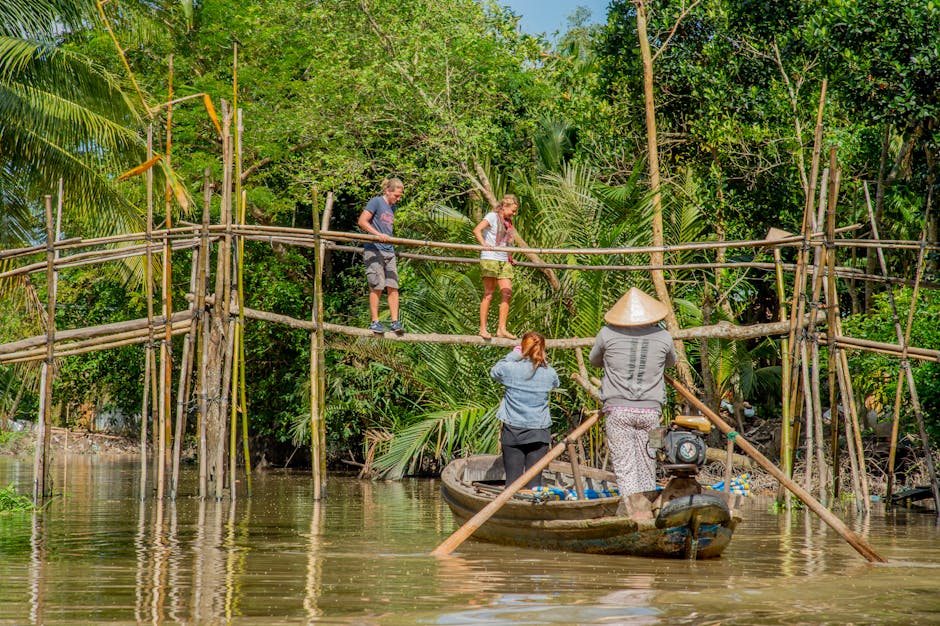
The Essence of Slow Travel
The world is moving faster than ever, but what if the secret to a rewarding travel experience is to actually do the opposite—slow down? Slow travel isn’t about dawdling or wasting time; it’s about truly immersing yourself in a destination. It’s the art of savoring every moment, every taste, every conversation.
Unplugging for Authentic Experiences
In 2026, digital detox vacations have gained unprecedented popularity, offering travelers a chance to disconnect from technology and reconnect with the world around them. Imagine spending a week at a Tuscan farmhouse, where Wi-Fi is a faint whisper and your only notifications come in the form of birds singing at dawn. Engaging with local artisans, learning to cook traditional dishes, and spending evenings under a starlit sky are experiences that not only enrich your travel but transform your perspective.
Choosing Quality Over Quantity
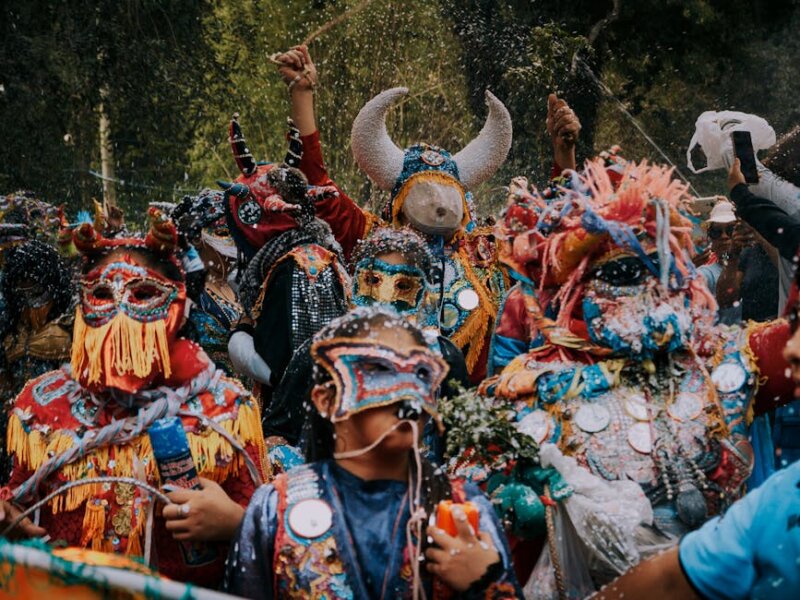
Instead of ticking off a checklist of must-see attractions, slow travel encourages a deeper connection with fewer places. Spend a month exploring the nuances of Kyoto rather than sprinting through multiple Japanese cities in a week. By choosing quality over quantity, you invest time in learning the culture, customs, and stories unique to each locale. You might find yourself attending a traditional tea ceremony that isn’t on any tourist map, or participating in a community festival that leaves a lasting impression.
Traveling Sustainably and Mindfully

Slow travel often goes hand in hand with sustainability. By taking fewer flights and opting for local transportation, such as trains or buses, you reduce your carbon footprint. In Europe, the rise of scenic train journeys like the Bernina Express is testament to this growing trend. These journeys not only allow you to witness breathtaking landscapes but also afford you the chance to engage with fellow travelers and locals, turning what would be mere transit into a memorable part of your journey.
Connecting with People, Not Just Places
At the heart of slow travel is the genuine connection with people. Whether it’s befriending the owner of a small family-run inn in the heart of Provence or sharing stories with fellow travelers over a communal dinner in a Moroccan riad, these encounters are what make travel memorable. In 2026, travelers are seeking trips that allow for such interactions, choosing accommodations and experiences that prioritize human connection over superficial luxury.
Making Slow Travel Work for You
- Plan Less, Experience More: Allow your itinerary to be flexible. Leave room for spontaneous discoveries and serendipitous moments.
- Stay Longer: Opt for long-term stays, which often lead to discounts and deeper local experiences.
- Engage Locally: Choose experiences that involve local communities, be it through workshops, volunteer activities, or simply dining at local eateries.
- Reflect and Relish: Take time to reflect on your experiences. Journaling or creating a travel sketchbook can enrich memories and insights gained.
Ultimately, the art of slow travel in 2026 is about embracing the journey, prioritizing quality over quantity, and fostering deeper connections with people and places. As you pack your bags for your next adventure, consider not just where you’re going, but how you’ll choose to experience it. The world is vast, and life is short. Why rush?