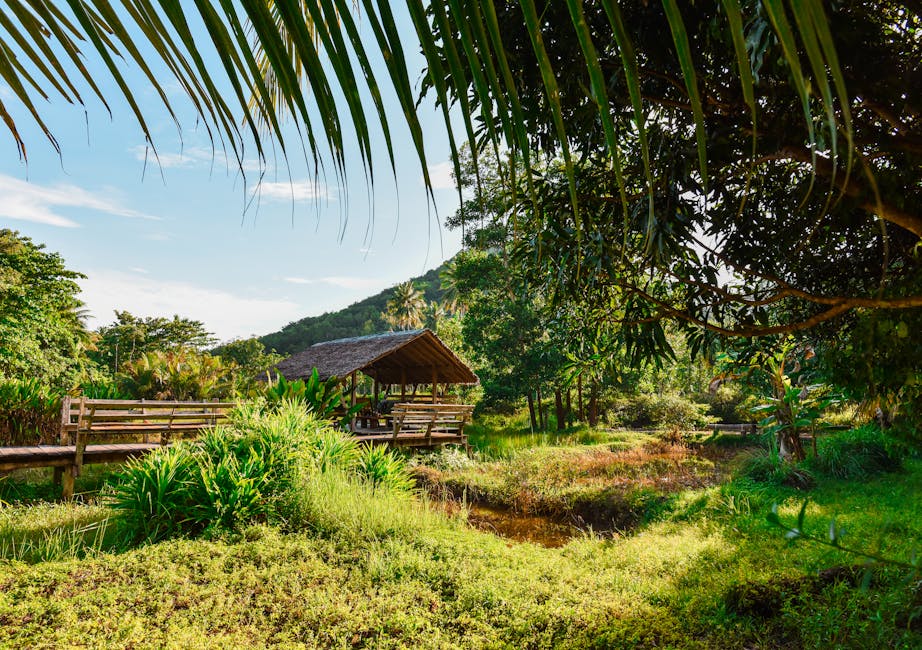
The Rise of Eco-Retreats

In 2026, sustainable travel is more than just a buzzword; it’s a movement reshaping how we explore the world. As travelers become increasingly conscious of their environmental footprint, eco-retreats have emerged as sanctuaries where luxury meets sustainability. These destinations offer a guilt-free escape, allowing visitors to indulge in nature without harming it.
Top Eco-Retreats to Visit in 2026
Here’s a list of the most mesmerizing eco-retreats you should consider for your next getaway:
- Inkaterra Reserva Amazonica, Peru: Nestled in the lush Amazon rainforest, this retreat boasts private cabanas that blend seamlessly with their surroundings. Explore canopy walkways and engage in guided wildlife tours, all while knowing your stay supports conservation efforts.
- Whitepod Eco-Luxury Hotel, Switzerland: Experience the Swiss Alps like never before. Stay in a pod that minimizes environmental impact while offering stunning views and cozy comfort. Activities range from snowshoeing in winter to mountain biking in summer.
- Bambu Indah, Indonesia: Located in Bali, this sustainable boutique hotel features antique Javanese bridal homes restored with eco-friendly materials. Guests can participate in permaculture workshops or simply relax in the natural pool.
- Soneva Fushi, Maldives: This island paradise is a pioneer in sustainable luxury. With solar power, a recycling plant, and a glass studio for upcycling waste, Soneva Fushi sets the gold standard for eco-conscious resorts.
How Eco-Retreats Benefit Local Communities
Eco-retreats do more than just reduce carbon footprints; they empower local communities. Many of these establishments focus on hiring local staff, sourcing materials locally, and investing in community projects. This not only boosts the local economy but also fosters a deeper cultural exchange between travelers and residents.
Green Practices to Look for in Eco-Retreats

When choosing an eco-retreat, consider these practices:
- Renewable Energy: Look for places using solar, wind, or other renewable energy sources.
- Waste Management: Effective recycling and waste reduction programs are key indicators of a genuine eco-friendly retreat.
- Water Conservation: Techniques like rainwater harvesting and wastewater recycling are crucial in areas prone to drought.
- Local Sourcing: Establishments that source food and materials locally often have a smaller carbon footprint.
Getting Involved: Become a More Conscious Traveler
Beyond selecting an eco-retreat, there are personal steps you can take to travel more sustainably:
- Offset Your Carbon Emissions: Many airlines and travel companies offer carbon offset programs that fund sustainable projects.
- Pack Light: A lighter suitcase reduces the carbon emissions of your flight.
- Support Local Artisans: Buy souvenirs from local craftsmen instead of mass-produced goods.
- Respect Wildlife: Observe animals from a distance and avoid activities that exploit them.
Practical Takeaway
As you plan your travels for 2026, consider the impact your adventures have on the planet. By choosing eco-retreats, you not only enjoy stunning destinations but also contribute to a more sustainable, equitable world. Whether it’s a luxury pod in the Alps or a rustic cabana in the Amazon, the future of travel is green, and it’s waiting for you.