Introduction to the Hidden Valleys
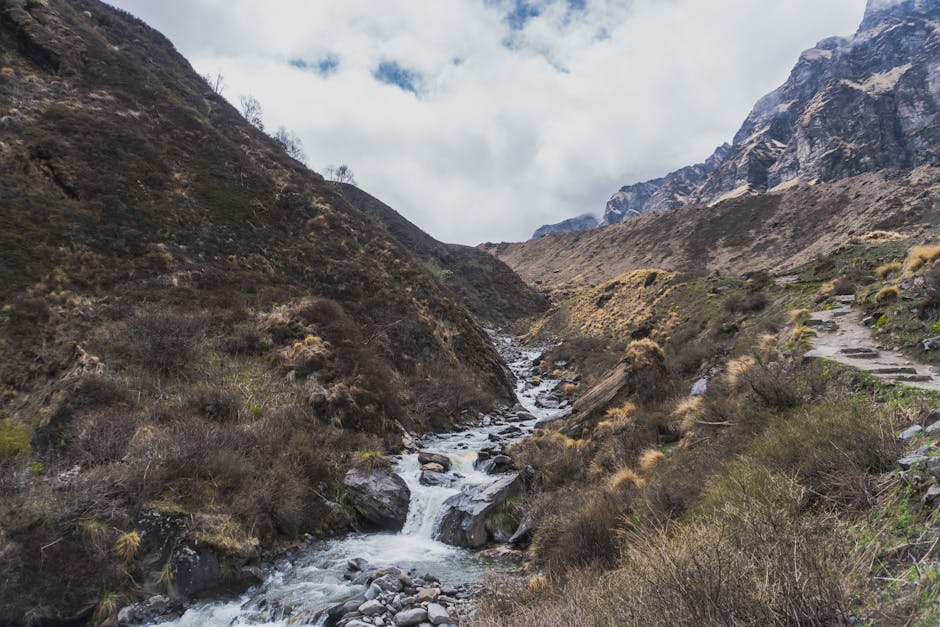
The Himalayas, often synonymous with towering peaks and daring ascents, hold secrets far beyond their snow-capped summits. In 2026, the allure of these majestic mountains extends to their less explored, enchanting valleys. These valleys offer a unique blend of vibrant cultures, serene landscapes, and a touch of mysticism that promises an unforgettable journey.
The Spiti Valley: A Desert in the Himalayas
Spiti Valley, nestled in the northeastern part of Himachal Pradesh, India, is a cold desert mountain valley. Known for its barren beauty, dotted with ancient monasteries like Key and Tabo, it’s a spiritual haven for those seeking solace. The valley’s rugged terrain, coupled with the azure sky, creates a landscape that seems almost otherworldly. Visitors in 2026 can experience the annual Spiti Festival in July, a vibrant celebration of local culture featuring traditional music, dance, and cuisine.
Paro Valley: Bhutan’s Gateway
Paro Valley in Bhutan is a lush, green reprieve from the ruggedness typical of Himalayan landscapes. Home to the iconic Tiger’s Nest Monastery, perched precariously on a cliffside, Paro offers a mix of adventure and tranquility. Travelers can trek through pine forests to reach this sacred site or stroll through the charming town of Paro, where modern cafes and traditional Bhutanese houses coexist in harmony. In 2026, the Paro Tshechu, a traditional festival, provides a glimpse into Bhutan’s rich cultural tapestry with its colorful mask dances and religious rituals.
Langtang Valley: Nepal’s Hidden Gem
In the heart of Nepal lies the Langtang Valley, renowned for its picturesque landscapes and the warm hospitality of the Tamang people. Less crowded than its Everest and Annapurna counterparts, Langtang offers trekkers a less commercialized experience. The valley is a botanist’s paradise in 2026, with diverse flora including rhododendrons, bamboo forests, and the rare Langtang rose. The Langtang National Park, home to the elusive snow leopard, provides opportunities for wildlife enthusiasts to catch a glimpse of these majestic creatures.
Hunza Valley: The Jewel of Pakistan
Hunza Valley, situated in the Gilgit-Baltistan region of Pakistan, is a land of legends. Known for its breathtaking vistas and rich cultural heritage, Hunza is a traveler’s dream. The valley boasts the ancient Baltit and Altit forts, offering a window into the region’s storied past. In 2026, visitors can also enjoy the Hunza Cultural Festival, showcasing local music, dance, and crafts. The region’s apricots and cherries are a taste sensation not to be missed, while the hospitality of its people is renowned worldwide.
Practical Tips for Exploring Himalayan Valleys
- Best Time to Visit: The ideal months are from April to June and September to November, avoiding the monsoons and harsh winters.
- Acclimatization: Gradual acclimatization is vital as altitudes can exceed 3,000 meters. Spend a day or two acclimatizing before embarking on longer treks.
- Local Guides: Hiring local guides not only enhances your experience with insider knowledge but also supports the local economy.
- Packing Essentials: Layered clothing, a good-quality sleeping bag, a sturdy backpack, and a reliable water purification system are essential. Don’t forget sun protection and a first-aid kit.
- Respect Local Cultures: Dress modestly, ask permission before photographing people, and learn a few basic phrases in the local language.
Takeaway
In 2026, the Himalayan valleys offer more than just scenic beauty; they’re a gateway to understanding diverse cultures, spiritual depth, and nature’s untouched grandeur. Whether you’re seeking adventure, peace, or cultural enrichment, these valleys invite you to immerse yourself in their magic — a journey beyond the peaks, into the heart of the Himalayas.