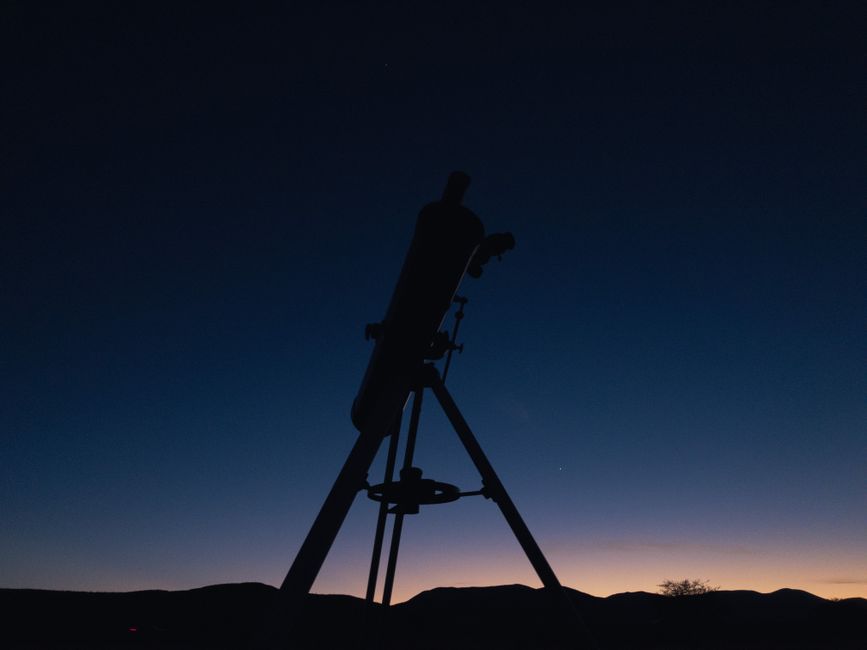
Why Stargazing Is Experiencing a Renaissance in 2026
In the hustle and bustle of our increasingly connected world, there’s a growing trend toward seeking solace in nature. Stargazing, once considered a quaint pastime, is making a significant comeback. Perhaps it’s the allure of cosmic mysteries or the mesmerizing expanse of a clear night sky that draws so many. In 2026, stargazing isn’t just about looking up—it’s about finding peace and perspective. With advancements in technology and accessibility, night sky enthusiasts have more ways than ever to explore the heavens.
The World’s Most Breathtaking Stargazing Spots
The Earth is blessed with numerous locations where the celestial wonders unfold with unparalleled clarity. Here are some not-to-miss stargazing destinations in 2026:
- Atacama Desert, Chile: Known for its dry, high-altitude climate and lack of light pollution, the Atacama offers crystal-clear skies. The European Southern Observatory’s presence here enhances the experience with guided tours and state-of-the-art telescopes.
- Mauna Kea, Hawaii: Standing at 13,796 feet above sea level, Mauna Kea is home to some of the world’s most powerful observatories. The unique altitude and atmospheric conditions make it a prime spot for witnessing distant galaxies and nebulae.
- Jasper National Park, Canada: As a designated Dark Sky Preserve, Jasper offers frequent stargazing events where enthusiasts can share the wonder of the night sky. The annual Jasper Dark Sky Festival is a highlight for both amateur and professional astronomers.
- NamibRand Nature Reserve, Namibia: As one of Africa’s largest private nature reserves, it’s not only a paradise for wildlife but also a gateway to some of the darkest skies on the continent. The reserve offers upscale accommodations that blend luxury with unparalleled celestial views.
- Lake Tekapo, New Zealand: Nestled in the heart of the Aoraki Mackenzie Dark Sky Reserve, Lake Tekapo provides a stunning setting for stargazing. The Church of the Good Shepherd adds a picturesque foreground to the Milky Way arching across the sky.
Embracing Technology: Stargazing Apps and Gadgets
Technology has revolutionized the way we engage with the stars. In 2026, apps like SkyView and Star Walk 2 provide real-time information and interactive guides, helping users identify constellations and celestial events. Augmented reality features overlay star maps onto your phone’s camera view, making it easier to navigate the night sky. For those looking to invest in equipment, portable telescopes have become more affordable and user-friendly, offering even beginners a chance to explore the universe in detail.
Mindful Stargazing: A New Trend in Wellness
The practice of mindful stargazing combines elements of mindfulness meditation with the act of observing the stars. It’s about being present, focusing on the vastness above, and finding a sense of calm and clarity. Retreats offering guided mindful stargazing sessions are popping up globally, promising participants not just a view of the stars, but a deeper connection to themselves and the universe.
Practical Tips for Your Stargazing Adventure
Before you head out on your night sky adventure, keep these practical tips in mind:
- Check the Weather: Clear skies are a must. Cloud cover can ruin even the most perfect stargazing night.
- Moon Phase Matters: A new moon offers the darkest skies. Full moons, though beautiful, wash out fainter stars and celestial objects.
- Dress Warmly: Nighttime temperatures can drop significantly. Layer up to stay comfortable.
- Use Red Light: Avoid using white flashlights as they can impair your night vision. Opt for red-light torches or headlamps.
- Bring a Blanket or Chair: Lying down or sitting comfortably makes for a more enjoyable experience.
Stargazing in 2026 is more than just a look at the night sky; it’s a journey into the vastness of the universe and a reflection on our place within it. Whether you’re a seasoned astronomer or a curious first-timer, taking the time to gaze up at the stars can be a transformative experience.