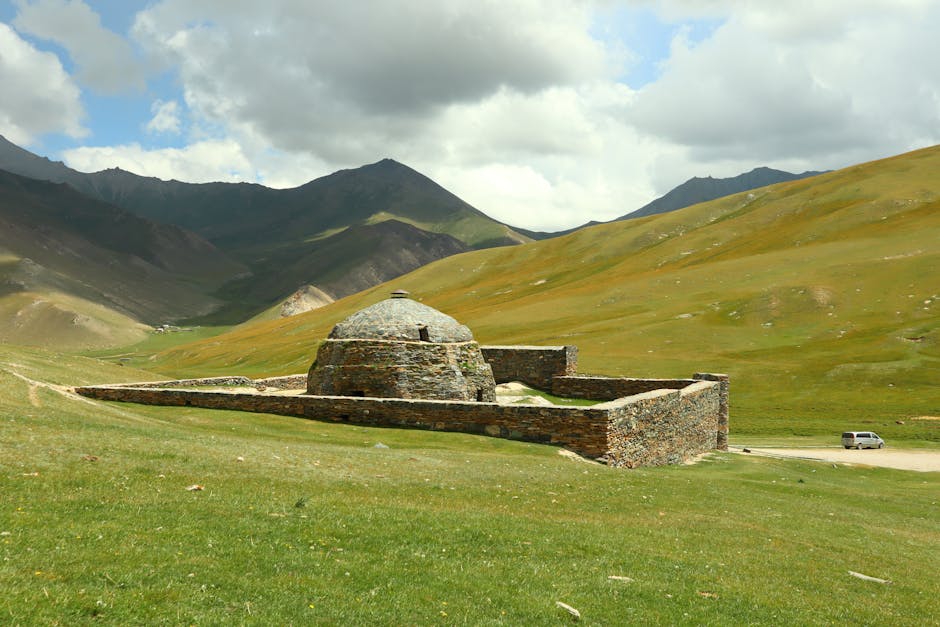
An Ancient Pathway Reimagined

The Silk Road has long captured the imaginations of travelers, historians, and adventurers alike. Spanning over 7,000 miles, this ancient network of trade routes once connected the East and West, facilitating not only the exchange of silk and spices but also ideas, cultures, and innovations. In 2026, the Silk Road is experiencing a renaissance, drawing modern-day explorers eager to trace its storied paths. From the bustling bazaars of Samarkand to the serene landscapes of the Taklamakan Desert, each stop offers a unique glimpse into a past that still resonates today.
The Enchanting City of Xi’an
Your journey along the Silk Road begins in Xi’an, China—the eastern terminus of this ancient route. Known for its rich history and the stunning Terracotta Army, Xi’an offers a captivating starting point. As you wander through the city, don’t miss the chance to explore the Muslim Quarter, where the aroma of grilled lamb skewers fills the air, and the sounds of street musicians accompany your walk. The Great Wild Goose Pagoda, standing since the Tang Dynasty, offers panoramic views of the city and a moment of reflection on the lives of those who once walked these paths.
The Majestic Beauty of the Pamir Mountains
Venture westward to the heart of Central Asia, where the Pamir Mountains rise majestically. Known as the ‘Roof of the World,’ this region offers some of the most breathtaking landscapes on the planet. Whether you’re an avid trekker or a casual traveler, the Pamir Highway provides a stunning route through this rugged terrain. Along the way, you’ll encounter small villages where Tajik hospitality shines. Enjoy a warm cup of chai with locals who might share stories of their ancestors and their connections to the Silk Road.
The Timeless Charms of Samarkand
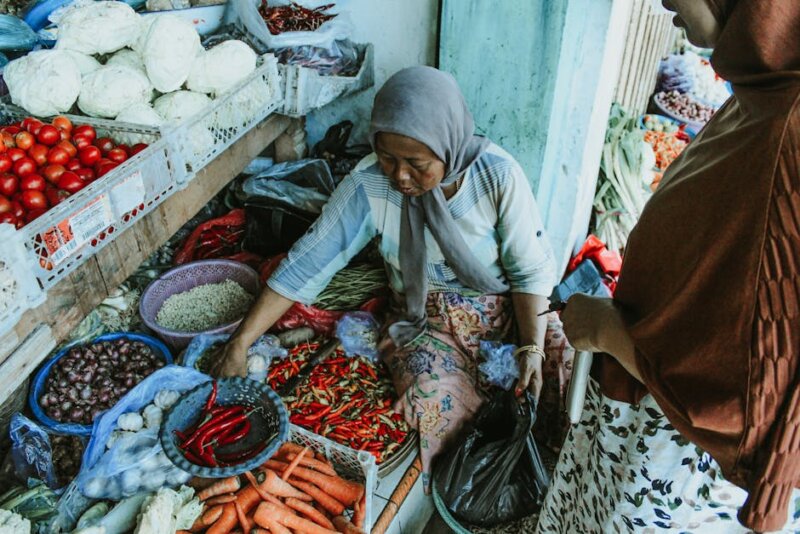
No journey along the Silk Road would be complete without a stop in Samarkand, Uzbekistan—a city that once stood at the crossroads of the world. Known for its beautifully preserved Islamic architecture, Samarkand’s Registan Square remains one of the most iconic sites. Gaze upon the intricate tilework of the Ulugh Beg Madrasah, and let the city’s history wash over you. The vibrant Siab Bazaar, with its array of spices, dried fruits, and handicrafts, offers a sensory experience that harks back to the city’s days as a bustling trade hub.
The Mysteries of the Taklamakan Desert
As you continue your journey, the vast expanse of the Taklamakan Desert beckons. Known as the ‘Sea of Death,’ this formidable desert was a significant obstacle for traders on the Silk Road. Today, it offers an opportunity to experience the raw beauty and isolation that travelers once faced. Consider a camel trek across the dunes or a night under the stars at a desert camp—a chance to experience the timeless allure of the Silk Road’s most challenging terrain.
Modern-Day Adventures Await
Traveling the Silk Road in 2026 combines the thrill of adventure with the comforts of modern amenities. From boutique hotels that reflect the region’s rich heritage to guided tours that delve into the historical significance of each stop, today’s travelers can immerse themselves fully while enjoying a level of convenience unknown to ancient traders. As you journey from east to west, take the time to engage with the locals, savor the regional cuisine, and appreciate the diverse cultures that make the Silk Road a living tapestry of human history.
Practical Takeaway: Whether you’re a history buff or an adventure seeker, traveling the Silk Road in 2026 offers a chance to step back in time while enjoying the comforts of the present. Be sure to plan your route carefully, allowing time to explore each unique destination. With a mix of cultural immersion and natural beauty, the Silk Road promises an unforgettable journey through history.