Introduction: A Symphony of Scents
Imagine a place where the air is so fragrant it seems to tell a story of distant lands and ancient cultures. Welcome to the world’s spice markets. These vibrant hubs of commerce and culture offer travelers a feast for the senses and a closer look at the culinary traditions that define entire regions. In 2026, as global travel continues to evolve, these markets remain timeless destinations that promise an immersive experience for those seeking authenticity. Let’s explore some of the most enchanting spice markets you should visit this year.
Jodhpur’s Clock Tower Market: India’s Fragrant Jewel
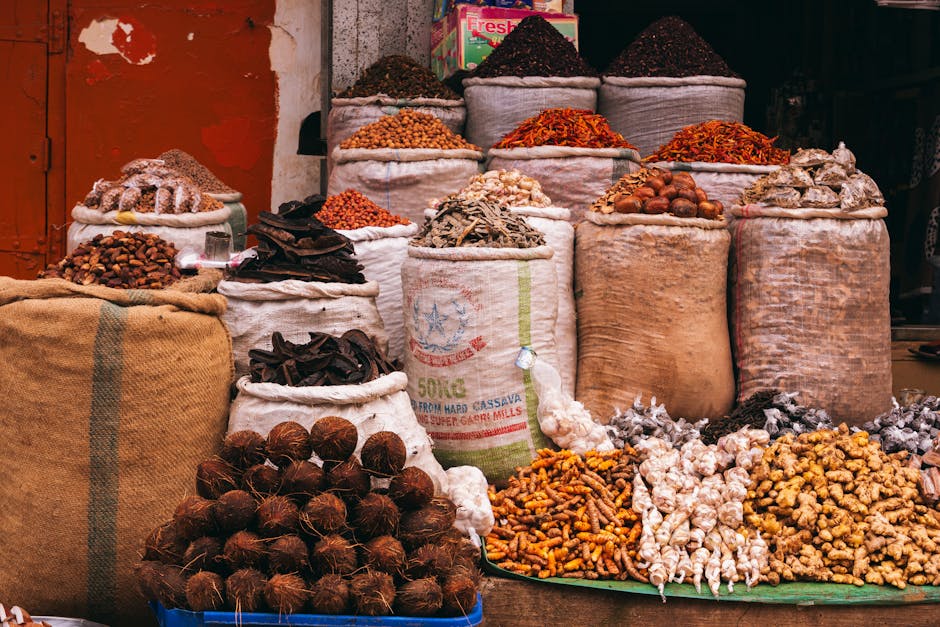
Dominating the streets of Jodhpur, India, the Clock Tower Market is a colorful maze teeming with life and aroma. Known locally as Sardar Market, it is a paradise for spice enthusiasts. As you wander past stalls brimming with vibrant sacks of turmeric, cardamom, and cumin, you’ll find yourself enveloped in a cloud of earthy, spicy fragrances that define the very essence of Indian cuisine. Don’t miss out on the chance to engage with the friendly vendors who will eagerly share their knowledge and even their family recipes.
For the adventurous palate, try the special Marwari masala blend—a potent mix of spices used in the region’s hearty dishes. It’s the perfect souvenir for food lovers and a way to bring a piece of Jodhpur into your kitchen.
Marrakech’s Souk Semmarine: A Moroccan Melange
Marrakech is a city that promises an attack on all your senses, and nowhere is this truer than in its famed Souk Semmarine. As one of the largest and busiest markets in the city, it is a kaleidoscope of colors and scents. The air here is thick with the smell of saffron, cinnamon, and Ras el Hanout—a complex blend of spices used in Moroccan cooking.
As you navigate through the narrow alleys, each turn reveals something new: a vibrant display of colorful spices, traditional Berber carpets, or exquisite handmade ceramics. To truly appreciate the market, take a moment to sip on some mint tea, a staple of Moroccan hospitality. It’s the perfect way to rest your feet and soak up the bustling atmosphere.
Istanbul’s Spice Bazaar: A Crossroads of Flavor
In Istanbul, the Spice Bazaar, or Misir Carsisi, is a historical marvel that draws visitors from around the globe. Established in 1664, it is a testament to the city’s rich trading history and its role as a bridge between East and West. Here, the aroma of dried herbs, peppers, and nuts mingles with the sweet scent of Turkish delight, creating an intoxicating blend.
While the bazaar is an excellent place to sample traditional Turkish flavors like sumac and Aleppo pepper, it’s also a great spot to pick up some lesser-known spices, such as mahleb—a unique flavoring agent derived from cherry seeds. The vendors, with their stories and smiles, add to the charm and make the experience unforgettable.
Fez’s El Attarine Souk: A Journey Through Time
One cannot talk about spice markets without mentioning the El Attarine Souk in Fez, Morocco. Nestled in the heart of the city’s old medina, this market is a labyrinth of aromas and colors that harken back to medieval times. Here, saffron reigns supreme, alongside a myriad of other spices like anise, coriander, and paprika.
Beyond the spices, the souk offers a deeper connection to Moroccan culture through its traditional pharmacy stalls. These spaces offer exotic blends of spices, herbs, and natural remedies that have been used for centuries. The shopkeepers often double as herbalists, ready to share their wisdom on the healing properties of plants and spices.
Takeaway: Spice Up Your Travels
Traveling to spice markets around the world in 2026 is not just about tasting flavors; it’s about engaging with the cultures that created them. Whether you’re bringing home a jar of exotic spices or simply the memory of an unforgettable scent, these markets offer a deeper connection to the places you visit. So pack your bags, follow your nose, and let the aromatic trails lead you to your next adventure.