Introduction: A World on Your Plate

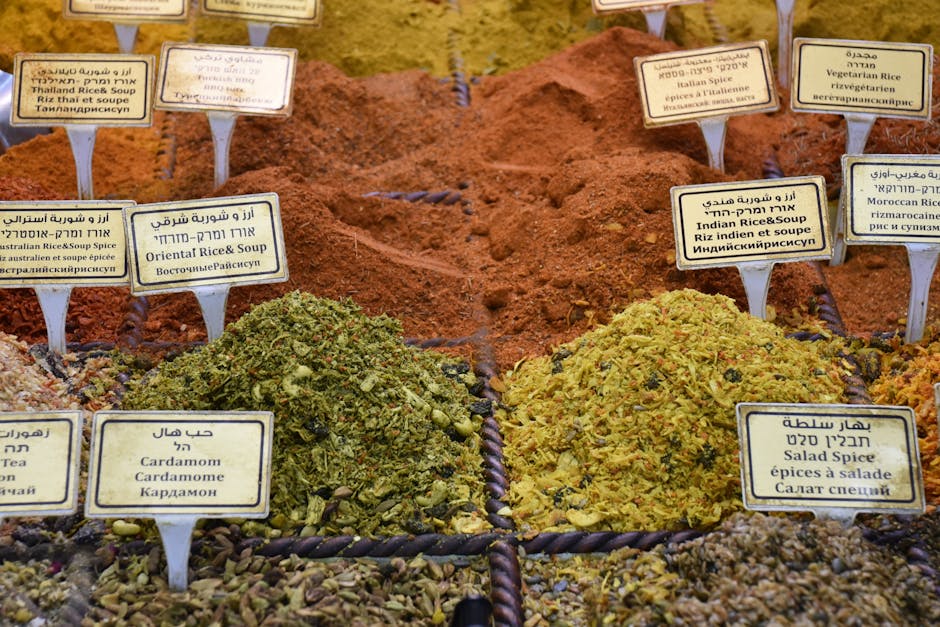
In 2026, culinary tourism isn’t just a trend; it’s a movement. As travelers seek deeper connections with their destinations, food has become the ultimate gateway to culture. From bustling street markets to intimate family-run eateries, the global culinary scene is a feast for the adventurous palate.
Why Culinary Tourism?
With the world becoming ever more interconnected, food offers a universal language that transcends borders. Travelers are increasingly looking to engage with cultures through their most flavorful expressions. Culinary tourism allows you to taste not only the ingredients but also the stories, traditions, and people behind each dish.
- Authenticity: There’s nothing like tasting a dish in its place of origin. Whether it’s a steaming bowl of ramen in Tokyo or a traditional paella in Valencia, the experience is unmatched.
- Learning Opportunity: Cooking classes and food tours provide hands-on opportunities to learn about regional ingredients and cooking techniques.
- Social Connection: Sharing a meal is one of the oldest forms of social bonding. Culinary tourism facilitates friendships and connections across cultures.
Top Destinations for Culinary Tourism in 2026
1. Mexico City, Mexico
Mexico City is an intoxicating blend of flavors, with street food that rivals any five-star restaurant. Tacos al pastor, tamales, and churros are just the beginning. Visit local markets like Mercado de San Juan, where you can sample everything from exotic fruits to insects.
2. Lyon, France
Known as the culinary heart of France, Lyon offers traditional bouchons where you can savor hearty dishes like coq au vin and quenelles. The city’s emphasis on farm-to-table ensures every meal is an exploration of regional produce and artisanal products.
3. Hanoi, Vietnam
Vietnam’s capital is a sensory overload with its bustling street food scene. Dive into a bowl of pho in the Old Quarter or savor a banh mi from a cart on the street corner. Don’t miss the chance to experience a traditional Vietnamese coffee, strong and sweet.
4. Cape Town, South Africa
Cape Town’s diverse culinary scene is a reflection of its multicultural heritage. Enjoy Cape Malay curry in Bo-Kaap or fresh seafood along the waterfront. The local vineyards offer exquisite wines that are perfect for pairing with the vibrant flavors of the region.
How to Plan Your Culinary Adventure
Planning a culinary-focused trip involves more than just booking a flight and a hotel. Here are some tips to get you started:
- Research and Reserve: Look up top-rated restaurants and reserve tables in advance, especially for popular spots.
- Local Guides: Consider hiring a local food guide for an authentic experience. They can take you to hidden gems that aren’t on the tourist radar.
- Food Festivals: Align your travel dates with local food festivals for a concentrated taste of regional cuisine.
- Stay Flexible: Leave some room in your itinerary for spontaneous discoveries. Some of the best food experiences happen by chance.
Practical Takeaway: The World is Your Buffet
Culinary tourism in 2026 invites you to explore the world one bite at a time. With each dish comes a story, a tradition, and a new understanding of a culture. So pack your bags, and more importantly, bring your appetite. Whether you’re traveling to bustling cities or tranquil villages, remember that every meal is a chance to connect with the world.