Introduction to Japan’s Hidden Villages

Japan is a land of contrasts, where neon-lit cities coexist with serene rural landscapes. While urban centers like Tokyo and Osaka are well-trodden by international tourists, the true essence of Japan can be found in its hidden villages. These quaint hamlets offer a glimpse into the country’s rich history and traditions, untouched by time. In 2026, exploring these rural gems is easier and more rewarding than ever.
Why Visit Japan’s Rural Areas?
In a world that often feels increasingly fast-paced, Japan’s rural areas provide a welcome respite. Here, you can find peace, tranquility, and a profound connection with nature. Villages such as Shirakawa-go and Gokayama, both UNESCO World Heritage sites, offer stunning landscapes with their iconic gassho-style farmhouses, characterized by steeply pitched thatched roofs.
But there’s more to these villages than just picturesque views. They are alive with traditions passed down through generations, from centuries-old festivals to artisanal crafts. Visiting these areas in 2026 presents a unique opportunity to step back in time and immerse yourself in the cultural fabric of Japan.
Must-Visit Hidden Villages
- Shirakawa-go and Gokayama: Nestled in the remote mountains of Gifu and Toyama Prefectures, these villages are famous for their distinctive architecture. The gassho-style houses are designed to withstand heavy snowfalls, creating a postcard-perfect scene, especially in winter. Explore the Wada House, a historical residence turned museum, to learn about the village’s history.
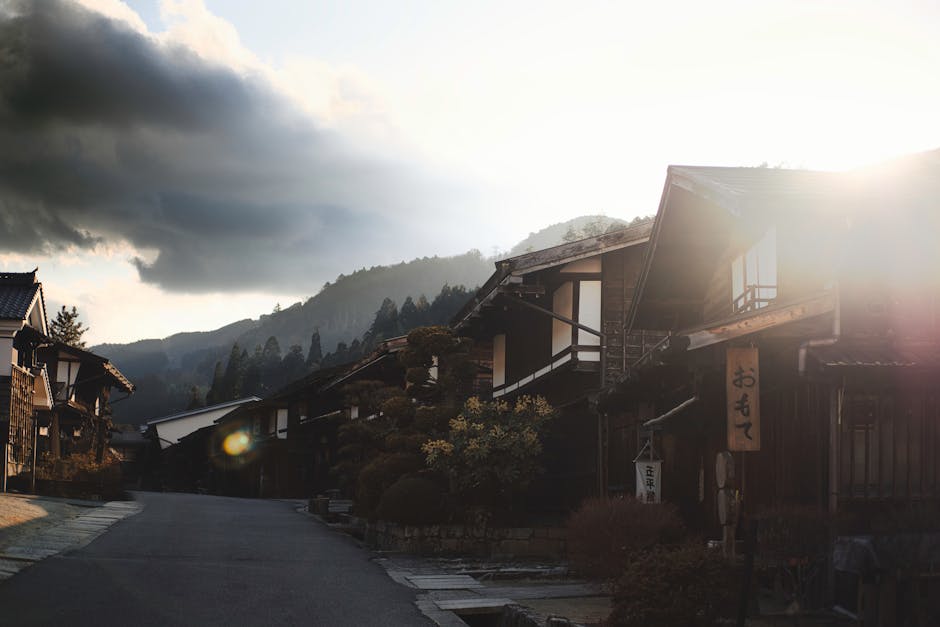
- Tsumago-juku: Located along the ancient Nakasendo Trail in the Kiso Valley, Tsumago-juku is a beautifully preserved Edo-era post town. Walking the cobblestone streets feels like stepping into a samurai film. Stay overnight in a traditional ryokan (inn) for an authentic experience.
- Ine: Known as the “Venice of Japan,” Ine is a charming fishing village where wooden boathouses line the tranquil bay. These funaya (boathouses) are unique to this area and have been used by fishermen for centuries. Take a boat tour to appreciate the village from the water.
- Ouchi-juku: A former post town on the Aizu Nishi Kaido trade route, Ouchi-juku is famous for its well-preserved thatched-roof buildings. Visitors can try local specialties like negi soba, a buckwheat noodle dish eaten with a long green onion instead of chopsticks.
Experiencing Traditional Festivals

Many of Japan’s rural villages are known for their vibrant festivals, which provide an excellent opportunity to witness local customs and traditions. In 2026, plan your visit to coincide with one of these events:
- Takayama Matsuri: Held every spring and autumn in the historic town of Takayama, this festival features ornate floats parading through the streets, accompanied by traditional music and dance.
- Onbashira Festival: Taking place every six years in Suwa, this daring festival involves locals riding giant logs down steep hills to renew the pillars of the Suwa Grand Shrine. The next festival is in 2027, so consider planning a trip around this unique spectacle.
Practical Tips for Visiting Rural Japan
While exploring Japan’s hidden villages can be a rewarding adventure, it’s important to be prepared. Here are some practical tips:
- Transportation: Many rural areas are best accessed by train or bus. The Japan Rail Pass is a cost-effective option for long-distance travel, but consider renting a car for more flexibility in remote regions.
- Accommodation: Staying in a ryokan or minshuku (family-run guesthouse) offers a more immersive experience. Be sure to book in advance, especially during festival times.
- Language: While English may not be widely spoken in rural areas, a few basic Japanese phrases can go a long way. Consider downloading a translation app to help with communication.
- Etiquette: Respect local customs and traditions, such as removing shoes before entering homes and participating respectfully in festivals.
Embrace the Journey
There’s no better time than 2026 to explore the hidden villages of Japan. These rural escapes offer a unique blend of natural beauty, cultural richness, and genuine hospitality. Whether you’re admiring the architecture of Shirakawa-go or savoring the flavors of local cuisine, each moment spent in these tranquil settings will be unforgettable. As you plan your journey to Japan, consider venturing beyond the beaten path to uncover the country’s hidden treasures.
Practical Takeaway: Visiting Japan’s rural villages in 2026 offers an enriching experience of cultural immersion. Plan ahead by aligning your trip with local festivals, booking traditional accommodations, and familiarizing yourself with transportation and etiquette to make the most of your journey.